The Art of Natural Cheesemaking - August 24 - 28, 2026
Milklab – a Five-Day Introduction to Natural Cheesemaking Class with David Asher
From culture propagation to rennet coagulation and on to affinage, this comprehensive and hands-on course covers many aspects of a natural cheesemaking. Students can expect to learn how simple traditional methods can lead to a safe, effective, and delicious raw (or pasteurized) milk cheese; and how the philosophies of fermentation of natural wine, beer, sourdough and dairy are all inter-related. There will also be discussions of the implications of natural cheesemaking for human health, and the ethics of animal agriculture.
On the first day we learn to create and care for the cultures of our cheese. We begin with a session on dairy fermentation, covering Clabber, Kefir, Amasi (an African milk beer) and a traditional cream-top yogurt.
On the second day we use our cultures and rennet to make fresh lactic cheeses such as Cream Cheese, Chevre and Faisselle as well as Geotrichum-candidum ripened, French lactic goat cheeses such as Crottin, Valençay and Saint Marcellin.
On the third day we look at rennet cheeses, preparing, in the morning, the basic curd that can become many different styles of cheese. By the afternoon, the curd’s acidity will have developed, and we’ll be able to stretch the cheese into Mozzarella and Queso Oaxaca. We also explore the rind ecologies that can transform the fresh cheese into a ripe Camembert.
On the fourth day we make a French Blue Cheese, Bleu d’Auvergne, and explore the cultivation of the blue fungus that gives this cheese its beautiful blue eyes. On this day, we will also prepare rennet the traditional way.
On the fifth and final day we make an Alpine cheese, and see how this one method can evolve in many different directions including Tomme and Raclette. We explore the concepts of rind washing and how it influences the hard cheese’s evolution. With its leftover whey we prepare a batch of traditional Ricotta. And for the grand finale, we prepare a Caciocavallo.
Five days of learning allows students to see many styles of cheese through the many stages of their evolution and provides insight into how all cheeses can evolve from the very same milk, with the same cultures and the same rennet. The course will focus on natural methods and a full circle, small scale cheesemaking: no freeze-dried cultures or synthetic enzymes will be used in any of our makes.
August 24-28 2026
Teaching time is roughly 9:00-12:00; 13:00-16:30, daily, for 5 days (21:00 on day 3 for a pizza party!). Lunch/coffee/tea/snacks are provided.
An advanced course will be offered, dates TBD.
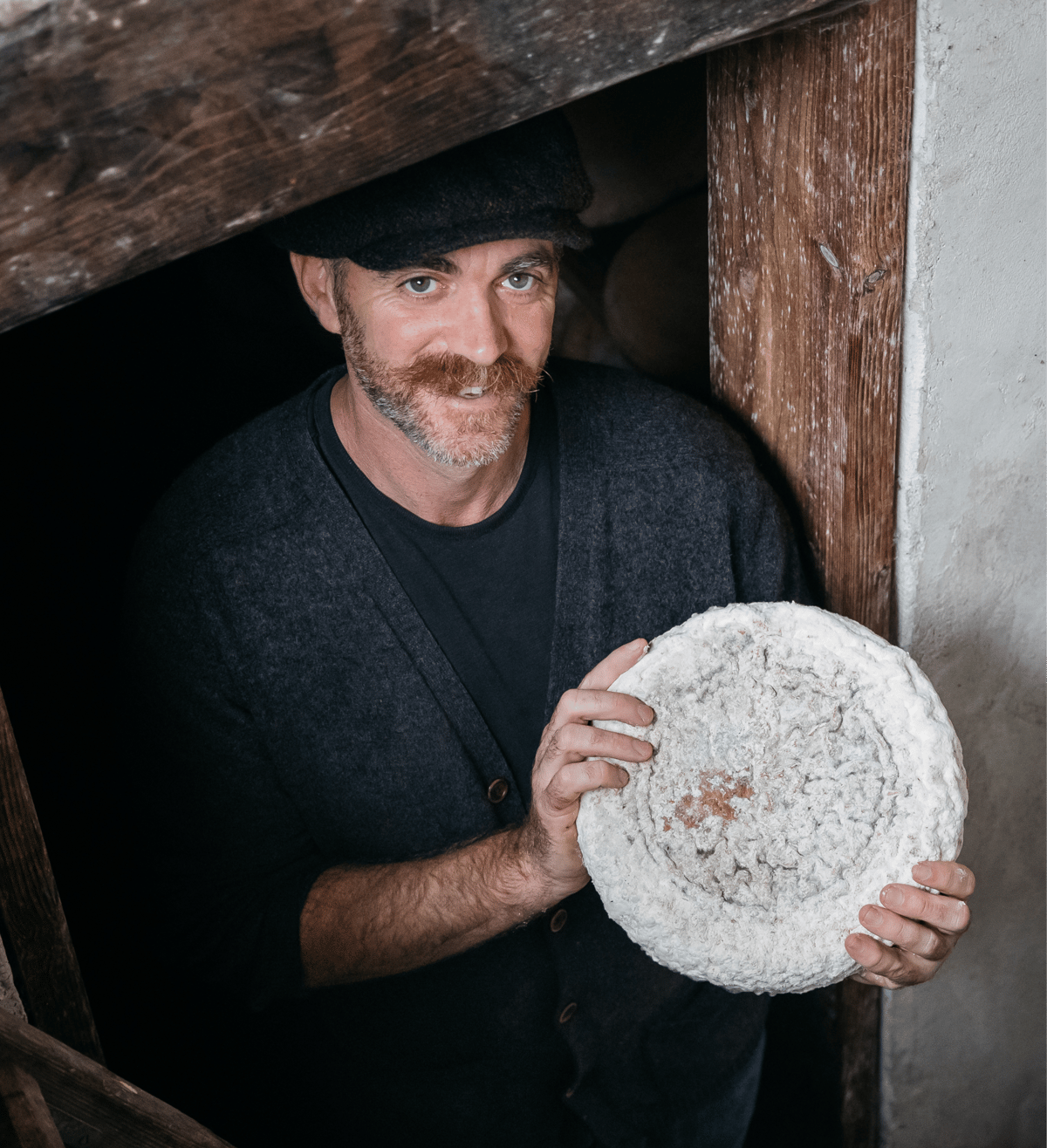
David Asher is a Natural Cheesemaker, and a leading advocate for traditional cheesemaking.
A former farmer and goatherd from the west coast of Canada, David now travels widely, sharing a very new but also very old approach to cheese. Through teaching about the use of animal warm milk, in-house starter cultures and natural rennet, David helps cheesemakers around the world reclaim their traditional cheeses. He also explores the relations of all food fermentations, and the important role of small scale cheesemaking in our modern world. David is the author of ‘Milk into Cheese’ and ‘The Art of Natural Cheesemaking’.
Prefer to pay by cash or e-transfer? Email us at solskenfolkschool@gmail.com
Sliding scale/work trade/scholarships are available
See our cancellation policy for full details.
Milklab – a Five-Day Introduction to Natural Cheesemaking Class with David Asher
From culture propagation to rennet coagulation and on to affinage, this comprehensive and hands-on course covers many aspects of a natural cheesemaking. Students can expect to learn how simple traditional methods can lead to a safe, effective, and delicious raw (or pasteurized) milk cheese; and how the philosophies of fermentation of natural wine, beer, sourdough and dairy are all inter-related. There will also be discussions of the implications of natural cheesemaking for human health, and the ethics of animal agriculture.
On the first day we learn to create and care for the cultures of our cheese. We begin with a session on dairy fermentation, covering Clabber, Kefir, Amasi (an African milk beer) and a traditional cream-top yogurt.
On the second day we use our cultures and rennet to make fresh lactic cheeses such as Cream Cheese, Chevre and Faisselle as well as Geotrichum-candidum ripened, French lactic goat cheeses such as Crottin, Valençay and Saint Marcellin.
On the third day we look at rennet cheeses, preparing, in the morning, the basic curd that can become many different styles of cheese. By the afternoon, the curd’s acidity will have developed, and we’ll be able to stretch the cheese into Mozzarella and Queso Oaxaca. We also explore the rind ecologies that can transform the fresh cheese into a ripe Camembert.
On the fourth day we make a French Blue Cheese, Bleu d’Auvergne, and explore the cultivation of the blue fungus that gives this cheese its beautiful blue eyes. On this day, we will also prepare rennet the traditional way.
On the fifth and final day we make an Alpine cheese, and see how this one method can evolve in many different directions including Tomme and Raclette. We explore the concepts of rind washing and how it influences the hard cheese’s evolution. With its leftover whey we prepare a batch of traditional Ricotta. And for the grand finale, we prepare a Caciocavallo.
Five days of learning allows students to see many styles of cheese through the many stages of their evolution and provides insight into how all cheeses can evolve from the very same milk, with the same cultures and the same rennet. The course will focus on natural methods and a full circle, small scale cheesemaking: no freeze-dried cultures or synthetic enzymes will be used in any of our makes.
August 24-28 2026
Teaching time is roughly 9:00-12:00; 13:00-16:30, daily, for 5 days (21:00 on day 3 for a pizza party!). Lunch/coffee/tea/snacks are provided.
An advanced course will be offered, dates TBD.
David Asher is a Natural Cheesemaker, and a leading advocate for traditional cheesemaking.
A former farmer and goatherd from the west coast of Canada, David now travels widely, sharing a very new but also very old approach to cheese. Through teaching about the use of animal warm milk, in-house starter cultures and natural rennet, David helps cheesemakers around the world reclaim their traditional cheeses. He also explores the relations of all food fermentations, and the important role of small scale cheesemaking in our modern world. David is the author of ‘Milk into Cheese’ and ‘The Art of Natural Cheesemaking’.
Prefer to pay by cash or e-transfer? Email us at solskenfolkschool@gmail.com
Sliding scale/work trade/scholarships are available
See our cancellation policy for full details.